Some flooring materials are naturally better suited to heavy foot traffic, pets, spills, commercial use, or busy family routines. Others may still be a good choice, but they perform best when appearance and feel matter more than maximum wear resistance. Understanding those tradeoffs helps narrow the right option much faster.
What makes one flooring type more durable than another?
Durability is not just about whether a floor is hard. It usually comes down to a combination of scratch resistance, impact tolerance, moisture performance, ease of maintenance, how visible wear becomes over time, and how difficult the material is to repair or replace if something goes wrong.
A highly durable floor should also match the environment. A material that performs well in a dry bedroom may not be the strongest choice in a busy kitchen, entryway, or moisture-prone bathroom. That is why durable flooring decisions are best made in context rather than by brand category alone.
Tile flooring
Tile is often one of the strongest choices when the goal is long-term wear resistance. It handles moisture well, is easy to clean, and works especially well in kitchens, bathrooms, and other areas where spills are common. It also offers strong visual flexibility because there are many patterns, formats, and finish styles available.
The tradeoff is that tile can feel harder and colder underfoot than some other materials, and poor installation can affect long-term results. Still, from a pure durability perspective, tile is one of the most reliable categories for many homes and commercial settings.
Luxury vinyl plank and other vinyl options
Vinyl plank is popular because it balances durability, water resistance, and cost. It is often a strong fit for active households, multi-use living areas, and spaces where a wood-look appearance is desired without choosing natural wood. It also tends to be lower maintenance than some traditional flooring materials.
Not all vinyl products perform equally, so installation quality and product grade matter. But in many everyday settings, vinyl is one of the most practical durability-focused options available.
Laminate flooring
Laminate can be a durable choice in dry, high-traffic areas, especially when budget matters. Many homeowners like it because it offers the appearance of wood with strong surface wear resistance. It can work well in family rooms, hallways, and bedrooms where moisture is not the main concern.
Its main limitation is that standing water and excessive moisture can shorten its life or affect the core of the product. That means laminate can be durable in the right setting, but it should be chosen carefully for rooms where spills or humidity are persistent issues.
Hardwood flooring
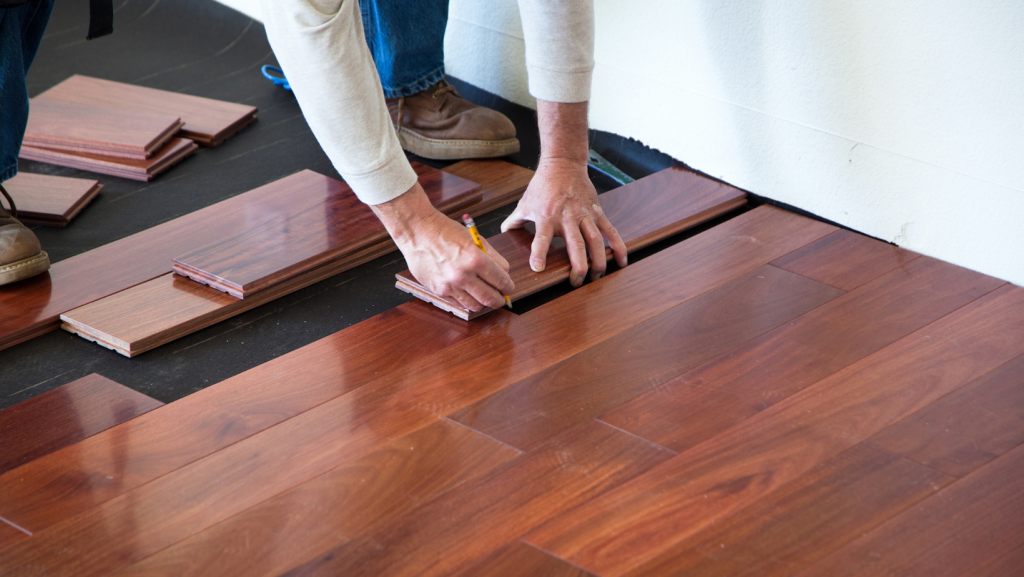
Hardwood remains one of the most valued flooring choices because of its appearance, long-term appeal, and ability to elevate a space. It can be durable, especially when the right species and finish are selected, but it is usually chosen for a mix of durability and design rather than maximum moisture resistance.
One major strength of hardwood is that some wood floors can be refinished, which can extend their life and refresh their appearance over time. The right installation and maintenance plan make a significant difference in how hardwood performs year after year.
Carpet and softer surfaces
Carpet can still be a good choice where comfort matters most, but it usually is not the first answer when durability is the top priority. It can show wear faster in very active areas and may require more maintenance in homes with pets, children, or frequent spills.
That said, carpet still has a role in bedrooms, comfort-focused spaces, and areas where warmth and softness matter more than maximum resistance to heavy use.
How to choose the most durable option for your space
- Start with the room: kitchen, bathroom, bedroom, office, retail, or open living space
- Think about foot traffic, pets, furniture movement, and moisture exposure
- Decide whether easier maintenance or appearance matters most when tradeoffs appear
- Factor in installation quality, because even strong materials underperform when installed poorly
Final takeaway
If pure durability is the top priority, tile and high-performing vinyl options are usually strong choices. Laminate can be very durable in the right dry spaces, while hardwood offers a premium balance of long-term value, beauty, and performance when selected carefully.
The best durable flooring choice is ultimately the one that fits both the conditions of the room and the expectations you have for upkeep, appearance, and lifespan.