
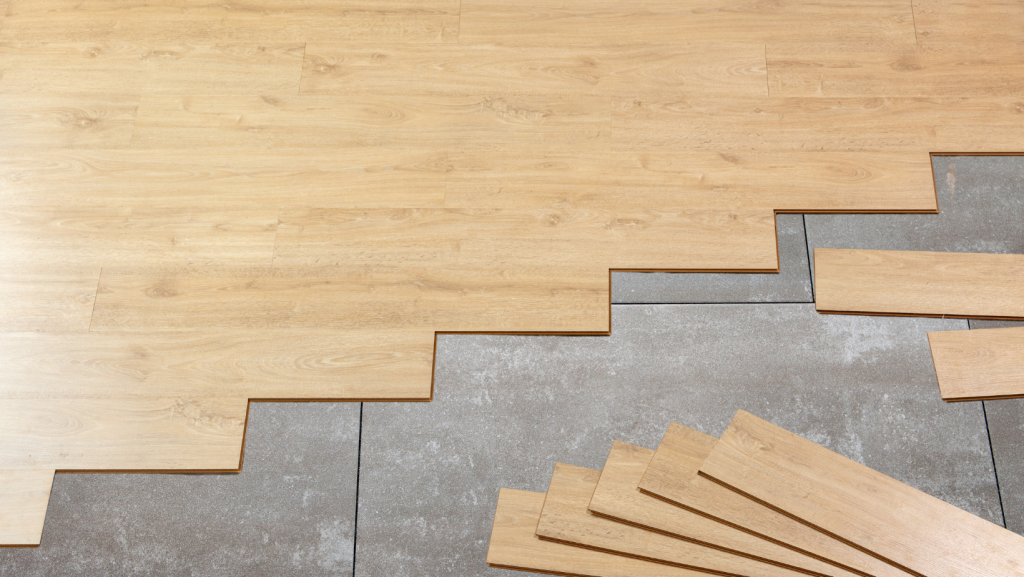
Keeping an existing tile surface in place can look like a way to save time, mess, and demolition cost. Sometimes it is a workable path, but it is never just a cosmetic decision. The structure under the floor, the flatness of the tile, and the final transition heights all play a major role in whether the result will perform well.
When wood over tile may be possible
In some cases, an existing tile floor can serve as the base for a new flooring layer if the surface is stable, level enough, and free of serious damage. The tile should be firmly bonded, not hollow, cracked throughout, or moving underfoot. If the base is not sound, the new floor can inherit those same problems.
The specific wood product also matters. Some engineered and floating systems may be more adaptable than traditional solid wood approaches depending on the substrate and installation plan.
Main challenges to consider
One of the biggest issues is height. Installing a new layer over tile raises the finished floor, which can affect doors, trim, transitions into adjacent rooms, cabinetry clearances, and stair details. Even if the floor itself can technically be installed, the surrounding conditions may make the result awkward or expensive to finish well.
Another concern is flatness. Tile that looks acceptable at a glance may still have small high and low areas that cause trouble for wood installation. Moisture and room-specific conditions also need to be reviewed before moving ahead.
Surface preparation still matters
Installing over tile is never a shortcut around preparation. The surface usually must be cleaned thoroughly, evaluated for damage, and checked for levelness. Depending on the flooring system, additional underlayment or preparation steps may be needed to help the new floor perform correctly.
This is why professional evaluation is important. The question is not only whether wood can go over tile, but whether it should in that specific room and under those conditions.
Benefits and tradeoffs
Potential advantages of installing over tile can include less demolition, reduced debris, and a faster path to the finished look when conditions are right. But those benefits only matter if the final floor is stable, visually clean, and practical for the surrounding space.
The tradeoffs usually involve transition complexity, potential height issues, the need for careful prep, and limitations based on the chosen flooring material. Sometimes removing the tile first creates a better long-term result even if the up-front work is greater.
Alternatives worth considering
In some spaces, other flooring categories may offer a more reliable route than installing wood over tile. Depending on the room, a high-performing vinyl plank or another moisture-tolerant system may deliver the appearance you want with fewer installation complications.
That is why flooring decisions are strongest when they focus on the whole room condition, not just on avoiding demolition.
Final takeaway
Yes, wood can sometimes be laid over tile, but it is not automatically the best solution. A successful result depends on the existing floor condition, the installation system, the surrounding transitions, and whether the finished height still works for the space.
The safest path is to evaluate the room first, compare alternatives, and choose the option that balances appearance, durability, and practical installation constraints.